
Lower Merion Hidden Camera Exposes Estate Security Gaps
A hidden camera discovered near a residence in Lower Merion Township should serve as a serious warning to high-net-worth families throughout the Main Line.
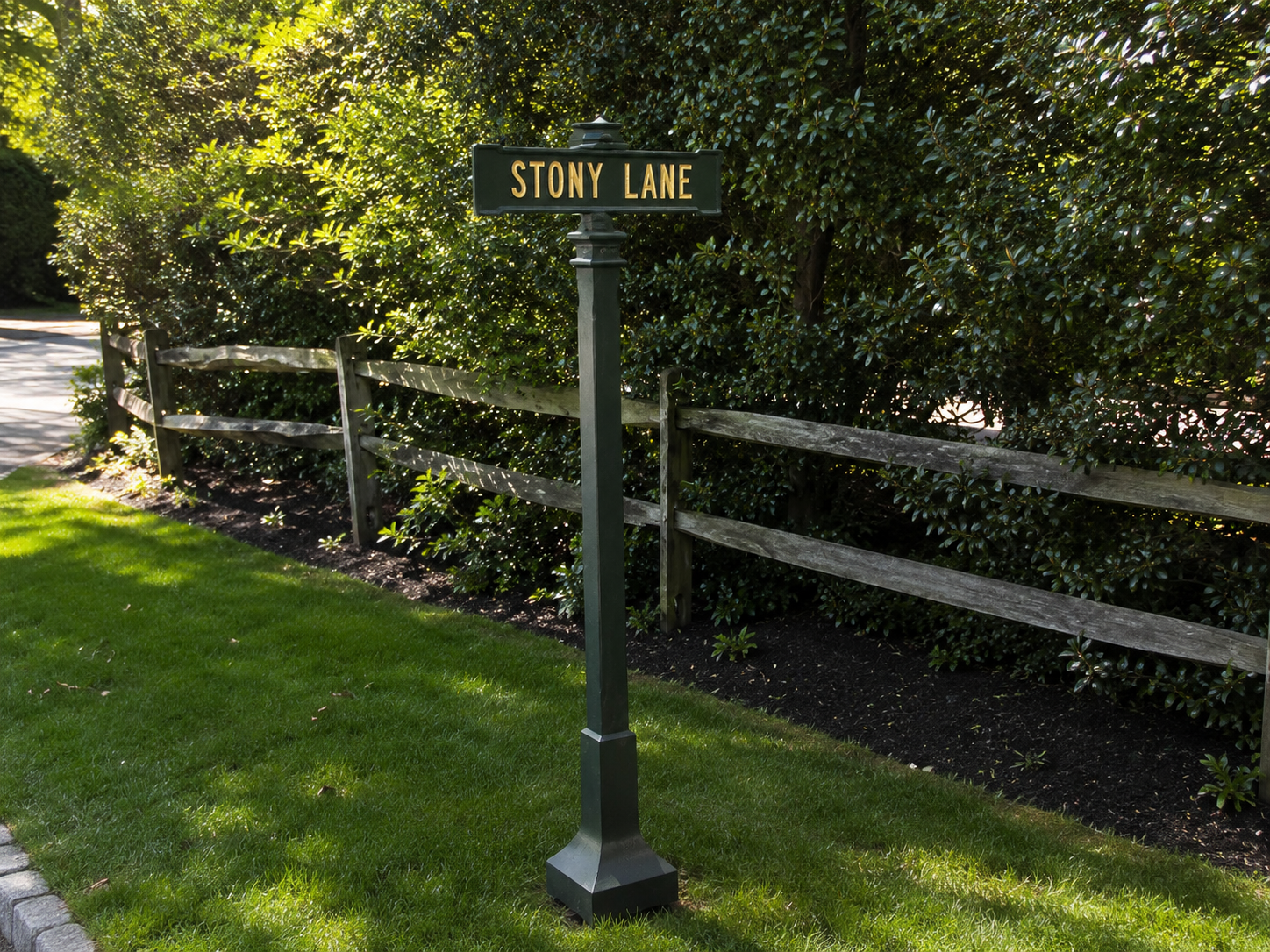
According to 6abc, the New York Police Department contacted the Lower Merion Township Police Department after NYPD officers stopped a vehicle in New York City and recovered a burner phone. Images found on that phone reportedly showed a residence on Stony Lane in Lower Merion Township. When local officers responded to the area, they discovered a small camera concealed near the property.
Police believe the camera may have been connected to a sophisticated South American theft group that uses surveillance to monitor residents’ routines and identify times when homes are likely to be unoccupied. Lower Merion Police Chief Andrew Block also explained that these organized burglary crews can often enter and leave a residence within approximately five minutes.
That detail is especially important. The camera was not simply being used to record a crime. It was allegedly being used to prepare for one.
The individuals involved may have been studying when the residents left the property, when vehicles arrived and departed, whether household employees were present, and when the residence appeared most vulnerable. This type of advance surveillance demonstrates that modern residential burglary is not always spontaneous. In many cases, it is carefully planned.
Criminal Surveillance Often Begins Before the Break-In
Many homeowners think about residential security primarily in terms of preventing someone from entering the house. However, sophisticated burglary crews may begin their operation days or even weeks before approaching the residence.
They may repeatedly drive through the neighborhood, monitor the home from a parked vehicle, observe household employees, study delivery schedules, review social media activity, or watch when exterior lights are turned on and off. In the Lower Merion incident, police believe a small hidden camera was placed near the residence to quietly document the family’s movements.
This type of surveillance allows criminals to reduce their risk. A burglar may not need to defeat an alarm system if the individual already knows when the property is likely to be empty. A criminal may also avoid confronting the homeowner entirely by identifying the exact time when the residence is least protected.
For this reason, estate protection must address more than the physical structure of the home. It must also consider privacy, routines, access points, surrounding activity, household employees, vendors, vehicles, and suspicious behavior occurring near the property.
CCTV Can Document a Crime Without Preventing It
High-quality camera systems remain an essential part of residential security. They can document suspicious vehicles, identify individuals approaching the property, provide real-time alerts, support police investigations, and help security personnel maintain awareness across a large estate.
However, cameras have limitations. A camera may show someone walking through the rear of the property, but it cannot physically stop that individual. It may send an alert after a window has been broken, but it cannot secure the residence while the family waits for police to arrive.
A camera may also capture a suspicious vehicle leaving the neighborhood, but it cannot determine why that same vehicle has repeatedly stopped near the estate. Most importantly, cameras are only as effective as the response behind them.
An unmonitored camera system may simply create high-quality footage of a burglary that has already occurred. Even a professionally monitored system still requires someone to review the alert, determine whether the activity is legitimate, contact the homeowner or police, communicate the correct information, and wait for responders to reach the property.
Technology can detect and document suspicious activity. It cannot replace the judgment, presence, and immediate response of a trained professional already positioned at the residence.
Five Minutes Changes the Security Equation
Lower Merion Police have previously warned residents about organized traveling theft groups targeting homes in communities including Villanova, Gladwyne, Bryn Mawr, and Penn Valley. These groups often target jewelry, currency, electronics, and other valuables, frequently choosing times when they believe the residence is unoccupied.
When police describe crews that can enter and leave a residence within approximately five minutes, the traditional security model becomes difficult to rely upon by itself. An alarm must first be triggered. The signal must then be transmitted, reviewed, and verified. Police must be notified, dispatched, and travel to the property.
Even when law enforcement responds quickly and professionally, an experienced burglary crew may already be gone before officers arrive. That is not a criticism of police response. It is simply the reality of dispatch procedures, travel time, property size, and criminals who intentionally design their operations to be completed within minutes.
For some estates, the only professional capable of intervening during those critical first moments may be the trained security officer already present on the property.
When Armed Estate Protection May Be Appropriate
Not every residence requires armed security. Protective measures should always be based on a professional assessment of the family, the property, the location, the individual’s public visibility, prior incidents, credible threats, and the potential consequences of a security failure.
However, armed residential protection may be appropriate for estates occupied by high-profile executives, athletes, entertainers, political figures, business owners, or families with publicly known wealth. It may also be appropriate when a property has experienced previous burglaries, attempted burglaries, stalking, threats, or repeated suspicious activity.
Large and secluded estates may face additional vulnerabilities, particularly when they contain wooded areas, trails, secondary driveways, detached garages, or multiple access points. Residences containing valuable collections, jewelry, cash, sensitive information, or other highly desirable assets may also require a stronger level of protection.
The purpose of an armed estate protection officer is not to create an aggressive or intimidating atmosphere. Professional residential protection should be discreet, disciplined, and compatible with the family’s lifestyle.
An officer’s primary responsibilities should include observation, deterrence, perimeter patrols, access control, monitoring security systems, identifying suspicious vehicles or individuals, documenting unusual activity, coordinating with law enforcement, and responding appropriately during emergencies.
The firearm is only one component of the officer’s capability. Judgment, experience, communication, awareness, restraint, and decision-making are equally important. That is why armed estate protection should be performed by properly licensed and experienced professionals, not simply by someone wearing a uniform and carrying a weapon.
The Advantage of a Trained Human Presence
A properly positioned estate protection officer can recognize activity that technology may overlook. The officer may notice the same vehicle passing the residence multiple times, identify an unfamiliar object placed near the property line, or recognize that someone is photographing the home without a legitimate reason.
The officer can also inspect wooded areas, garages, trails, utility access points, secondary entrances, and portions of the estate that may not be fully covered by cameras. Regular patrols may reveal damage to fencing, signs of trespassing, disabled lighting, moved landscaping, or concealed surveillance equipment.
A trained professional can also connect separate observations that may appear insignificant when viewed individually. One unfamiliar vehicle may not be cause for concern. However, the same vehicle appearing on several consecutive evenings, combined with an unknown individual walking near the property line, may indicate a developing pattern.
Technology produces information. Experienced security personnel interpret that information and determine what action should be taken.
Estate Protection Must Be Layered
The Lower Merion discovery does not mean homeowners should abandon cameras or alarm systems. It means those systems should be treated as individual components within a larger security strategy.
A professional estate protection plan may include monitored exterior and interior CCTV, perimeter intrusion detection, proper lighting, reinforced doors and windows, controlled gates, visitor procedures, vendor management, vehicle access controls, and regular inspections for hidden cameras or tracking devices.
The plan may also include monitoring suspicious vehicles, establishing secure arrival and departure procedures, maintaining emergency communication protocols, coordinating with local law enforcement, and utilizing armed or unarmed residential protection personnel when the threat assessment justifies it.
Each layer should support the others. Cameras help security personnel maintain awareness. Security personnel provide an immediate response to camera alerts. Access-control procedures reduce unnecessary exposure, while perimeter patrols identify vulnerabilities before criminals can exploit them.
That is the difference between owning security equipment and maintaining a professional residential security operation.
The Objective Is to Interrupt the Plan
The most effective time to stop a burglary is not after someone has entered the residence. It is while the property is being studied.
It is when a suspicious vehicle first begins appearing near the home. It is when an unfamiliar object is placed near the property line. It is when someone begins testing gates, watching household routines, photographing the residence, or gathering information about the family.
A visible but discreet security presence may cause criminals to reconsider the property. Unpredictable patrols can make the household’s routine more difficult to study, while professional documentation can provide law enforcement with useful information before a burglary occurs.
The objective is not simply to respond faster after the crime begins. The objective is to identify and interrupt the operation before the criminals ever enter the home.
Final Thoughts
The hidden camera discovered near a Lower Merion residence demonstrates how organized and patient sophisticated burglary groups have become. These individuals may not be approaching homes impulsively. They may be conducting surveillance, collecting information, studying routines, and waiting for a carefully selected opportunity.
Cameras and alarms remain important, but they cannot physically protect a family or independently confront a developing threat. For high-net-worth individuals facing an elevated level of risk, trained armed estate protection personnel may provide the immediate human presence that technology and off-site monitoring systems cannot.
The question is no longer simply whether a residence has cameras. The more important questions are who is watching those cameras, who is evaluating what is happening around the property, and who is prepared to respond during the five minutes that matter most.
Integrity Security Services provides residential and estate protection throughout Pennsylvania and New Jersey. Our firm exclusively utilizes active and recently retired law enforcement professionals to provide discreet, experienced, and accountable protection for private residences, executives, and high-net-worth families.
Bringing government-level protection to the private sector.
