
AI Executives Are Increasing Security as Violent Threats Rise
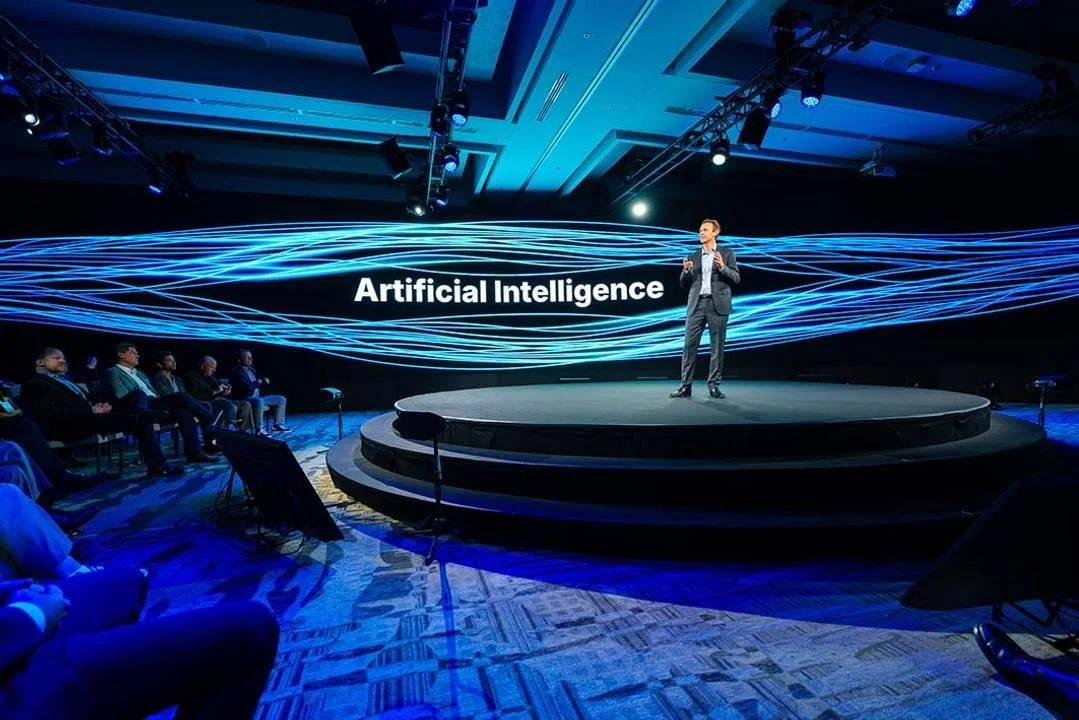
Executive protection has traditionally been associated with presidents, celebrities, Fortune 500 CEOs, and ultra-high-net-worth families. Today, however, a new group of clients is driving demand for professional security services: artificial intelligence executives.
According to recent reports, several of the world's leading AI companies have significantly expanded security programs for their executives as threats become more frequent and increasingly violent. Companies are investing in executive protection, residential security, secure transportation, and enhanced intelligence capabilities to address a rapidly evolving threat landscape.
This trend should serve as a wake-up call—not only for technology companies, but for business leaders across every industry.
The Threat Landscape Has Changed
Today's executives face risks that simply didn't exist a decade ago.
Social media has made corporate leaders more visible than ever before. Public interviews, podcasts, LinkedIn profiles, speaking engagements, and media appearances have transformed many executives into recognizable public figures. At the same time, growing political divisions, economic uncertainty, and online radicalization have contributed to an increase in targeted threats.
In the artificial intelligence industry, concerns surrounding automation, job displacement, and the rapid adoption of AI technologies have fueled hostility toward some of the industry's most recognizable leaders. What once amounted to criticism online has, in some cases, escalated into credible threats requiring professional security.
The lesson is simple: visibility creates vulnerability.
Executive Protection Is No Longer Reserved for Billionaires
One of the biggest misconceptions about executive protection is that it is only necessary for billionaires or celebrities.
In reality, executive protection is based on risk—not wealth.
Business owners, healthcare executives, attorneys, private equity partners, technology founders, real estate developers, and corporate executives often possess characteristics that increase their risk profile. Public visibility, financial success, controversial business decisions, or leadership roles within prominent organizations can all attract unwanted attention.
Professional executive protection evaluates those risks before an incident occurs and develops strategies to reduce them.
Security Begins Long Before an Incident
The public often imagines executive protection as a security professional standing next to a client.
In reality, that visible presence represents only a small portion of the job.
Effective executive protection begins with advance planning, intelligence gathering, travel security, route assessments, emergency planning, and continuous threat monitoring. Security professionals work to identify vulnerabilities before they become opportunities for criminals or individuals intending to cause harm.
The objective is prevention—not reaction.
Residential Security Has Become a Priority
As companies strengthen security around corporate offices, many executives are discovering that their greatest vulnerability exists at home.
Family routines are predictable. Deliveries arrive daily. Contractors and service providers regularly access the property. Public records and social media often make it easier than people realize to identify where an executive lives and when they are likely to be home.
This is one reason residential security has become an increasingly important component of executive protection programs.
Depending on the client's needs, protective measures may include residential security officers, security assessments, access control improvements, surveillance monitoring, emergency response planning, and coordination with local law enforcement.
The goal is to create multiple layers of protection that reduce opportunities for criminal activity while allowing families to maintain their normal lifestyle.
Executive Protection Is an Investment in Business Continuity
When an executive becomes the target of a threat, the impact extends far beyond the individual.
Business operations can be disrupted. Employees become concerned. Public confidence may be affected. Leadership attention shifts from growing the business to managing a crisis.
Executive protection helps organizations minimize these risks by protecting the people responsible for leading them.
Just as companies invest in cybersecurity before experiencing a data breach, executive protection should be viewed as part of a comprehensive risk management strategy rather than a response to an emergency.
The Trend Will Continue
While recent headlines focus on artificial intelligence executives, the underlying issue extends far beyond the technology industry.
Healthcare organizations, financial institutions, law firms, pharmaceutical companies, family offices, sports organizations, entertainment companies, and privately held businesses are all experiencing increased public exposure.
As executives become more visible, personal security becomes increasingly important.
Organizations that recognize this shift early are better positioned to protect their leadership, their employees, and their long-term operations.
Final Thoughts
The growing investment in executive protection by AI companies reflects a broader reality facing today's business leaders.
Threats are becoming more personal, more sophisticated, and more unpredictable. Waiting until after an incident occurs is rarely the most effective approach.
Professional executive protection is not about creating an intimidating presence—it is about reducing risk through planning, preparation, and proactive security.
At Integrity Security Services, we provide discreet executive protection, residential security, and corporate security services throughout Pennsylvania and New Jersey. Staffed exclusively by active and recently retired law enforcement professionals, our team delivers customized protection strategies designed to safeguard executives, business leaders, and high-net-worth families in an increasingly complex security environment.
