
Temple Israel in Michigan Showed What Real Preparedness Looks Like
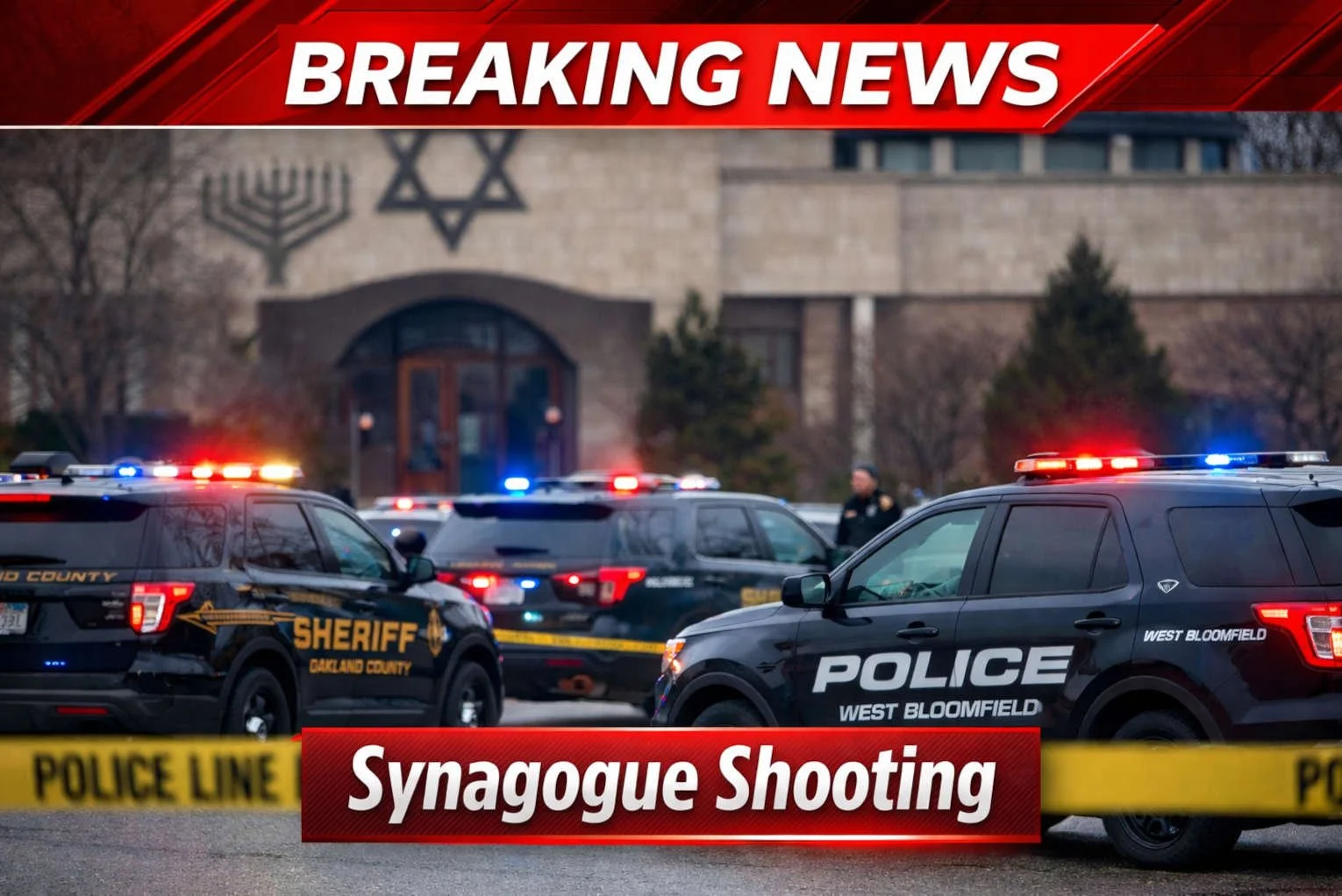
The recent attack at Temple Israel in West Bloomfield, Michigan should be studied closely by every security professional, every house of worship, and every organization responsible for protecting people inside a facility.
On March 12, 2026, an attacker drove a vehicle into the synagogue, opened fire, and triggered a fast-moving, high-risk incident inside a building that included an early childhood center. According to the FBI, the incident is being investigated as a targeted act of violence against the Jewish community. What could have become a mass casualty event ended very differently for one reason: Temple Israel was prepared.
That preparation was not accidental.
Reporting in the days after the attack makes clear that Temple Israel had spent months strengthening its security posture. The synagogue had hired a seasoned former police lieutenant as security director, conducted active shooter training, maintained armed security on site, and had physical security measures in place, including barriers intended to slow a vehicle attack. Staff had recently gone through active shooter prevention training with the FBI and synagogue security leadership.
When the attack happened, the security team did exactly what trained security professionals are supposed to do under pressure. They moved toward the threat, engaged it immediately, and bought critical time for everyone else inside the building. Authorities have said there were roughly 140 children inside the early childhood learning center at the time, and all of them got out safely. One security officer was injured, but the outcome could have been catastrophic if that team had not responded with speed and discipline. U.S. Senator Elissa Slotkin said plainly that if security had not done its job “almost perfectly,” the country would be talking about an immense tragedy involving children.
That is exactly the point I made in my previous blog.
After the Gracie Mansion bomb plot, I wrote that modern security is no longer simply about presence. It is about readiness. The Temple Israel attack reinforces that point in real time. Visible security matters, but preparedness is what saves lives when deterrence fails. When an attacker is committed, ideologically driven, or simply willing to die during the act, the question is no longer whether a uniform or marked presence might discourage them. The question becomes this: how fast can the threat be recognized, confronted, and neutralized once violence starts?
At Temple Israel, that answer appears to have been immediate and decisive.
There are several lessons here.
First, training matters. Not annual, check-the-box training, but realistic preparation that builds muscle memory for staff and security personnel. Temple Israel’s recent active shooter training was not theoretical. It translated directly into response.
Second, experienced personnel matter. Temple Israel reportedly hired a veteran police lieutenant to lead security, and that level of leadership appears to have made a real difference. In my view, this is one of the clearest examples of why institutions facing elevated threat levels should rely on experienced security professionals who understand violence, understand response, and can function under extreme pressure.
Third, layered security matters. The reporting indicates the synagogue did not rely on one single measure. It had armed security, controlled access, physical hardening, training, and close coordination with law enforcement. That is what a serious security posture looks like. No one measure solves the problem alone, but layers create time, options, and survivability.
Fourth, relationships matter. Temple Israel’s executive director wrote after the attack that their local FBI, DHS, county sheriff, and township police were already familiar with the synagogue and its security team. That type of relationship building is often overlooked, but it is critical. Security should not begin the day an attack happens. It should begin long before, through planning, coordination, and trust between private security, organizational leadership, and public safety partners.
Oakland County Sheriff Michael Bouchard said after the attack that there was “no lack of preparation,” and he described how on-site security officers engaged the attacker in gunfire after the vehicle came through the building. That statement is important. It confirms this was not luck alone. Preparation was already in place before the first shot was fired.
None of this means every attack can be prevented.
It does mean that outcomes can be changed.
That is one of the most important realities in modern security operations. We cannot always control whether a threat actor chooses to act. We can control whether a facility is hardened, whether staff are trained, whether experienced personnel are in place, and whether there is a real response plan instead of a binder on a shelf.
Temple Israel’s security team deserves enormous credit. Based on the reporting so far, they did what professional security teams are supposed to do. They responded immediately, protected the innocent, and kept a horrific situation from becoming far worse. Their actions are a reminder that preparedness is not abstract. It is not a buzzword. It is the difference between a crisis and a massacre.
For houses of worship, schools, community centers, and private organizations across the country, the lesson is simple.
Do not wait for a threat to make security a priority.
Build the plan now. Train now. Harden the facility now. Put experienced people in the right positions now.
Because when violence begins, there is no time to start preparing.
There is only time to respond.