Why Security Cameras Can Create a False Sense of Safety
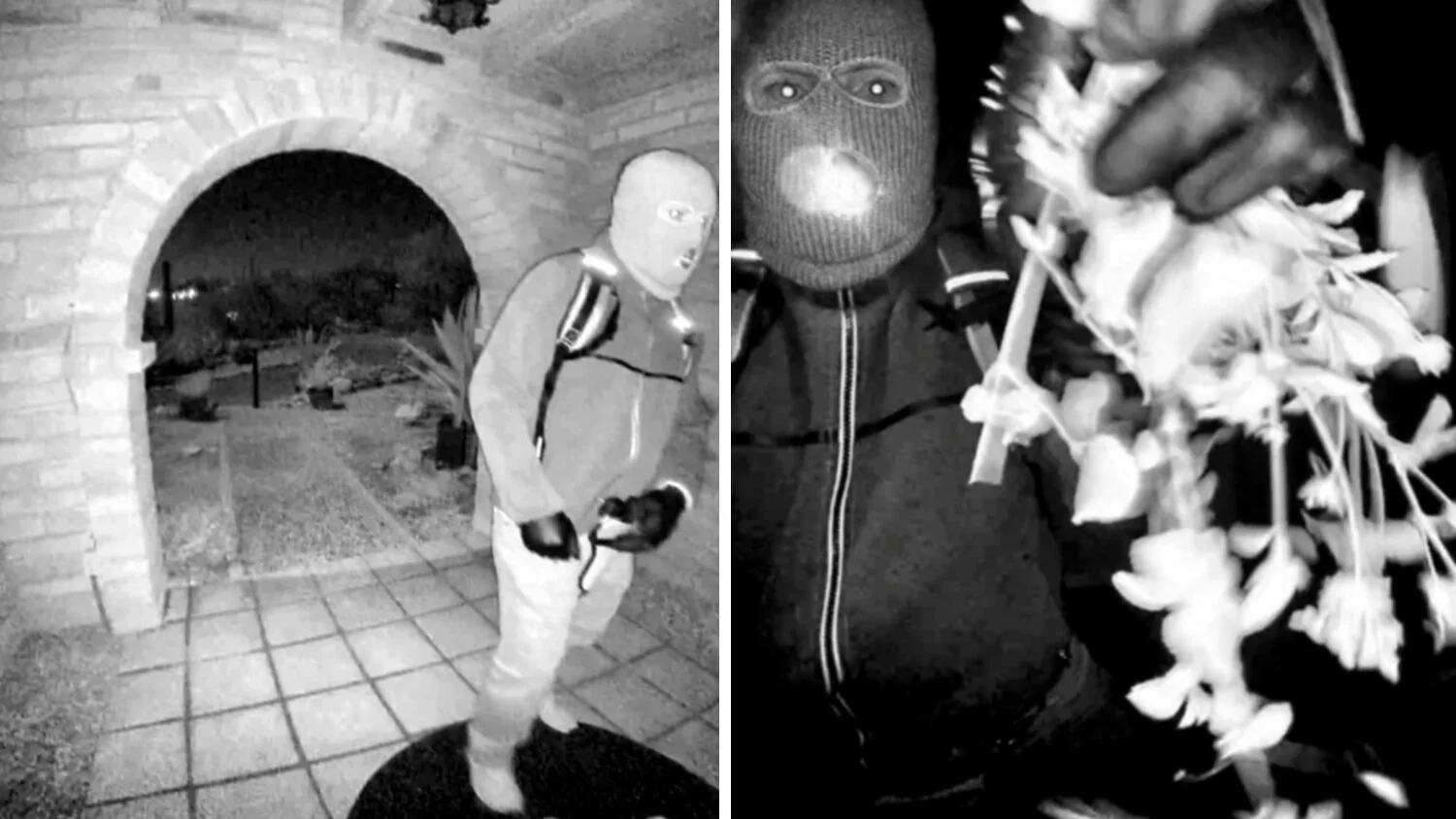
Following the recent kidnapping of Nancy Guthrie, our firm has seen a significant increase in requests for executive protection and residential estate security. Many families are understandably concerned about their safety and are taking steps to protect themselves and their homes.
However, during these consultations we have noticed a potentially dangerous mistake that many homeowners across the United States are making every day.
As technology and artificial intelligence continue to evolve, more homes are relying entirely on WiFi-based security systems. It has become common to drive through neighborhoods and see Ring doorbell cameras, Blink cameras, or yard signs stating that a home is protected by SimpliSafe, Xfinity Security, or other wireless systems.
To the average person, these systems appear to be a strong deterrent. Unfortunately, sophisticated criminals often see them very differently.
Professional criminals involved in organized burglary crews, kidnappings, and home invasions understand the vulnerabilities of these systems. When experienced criminals see a property that relies entirely on wireless security cameras, they may actually view it as a potential opportunity.
What Experienced Investigators Have Seen
Integrity Security Services’ founder and CEO, John Krewer, spent 16 years in law enforcement with the Philadelphia Police Department, including the last nine years assigned to the FBI Safe Streets Task Force.
During that time, Krewer investigated and helped indict hundreds of defendants involved in violent crimes including kidnapping, murder-for-hire, Hobbs Act robberies, and organized criminal enterprises.
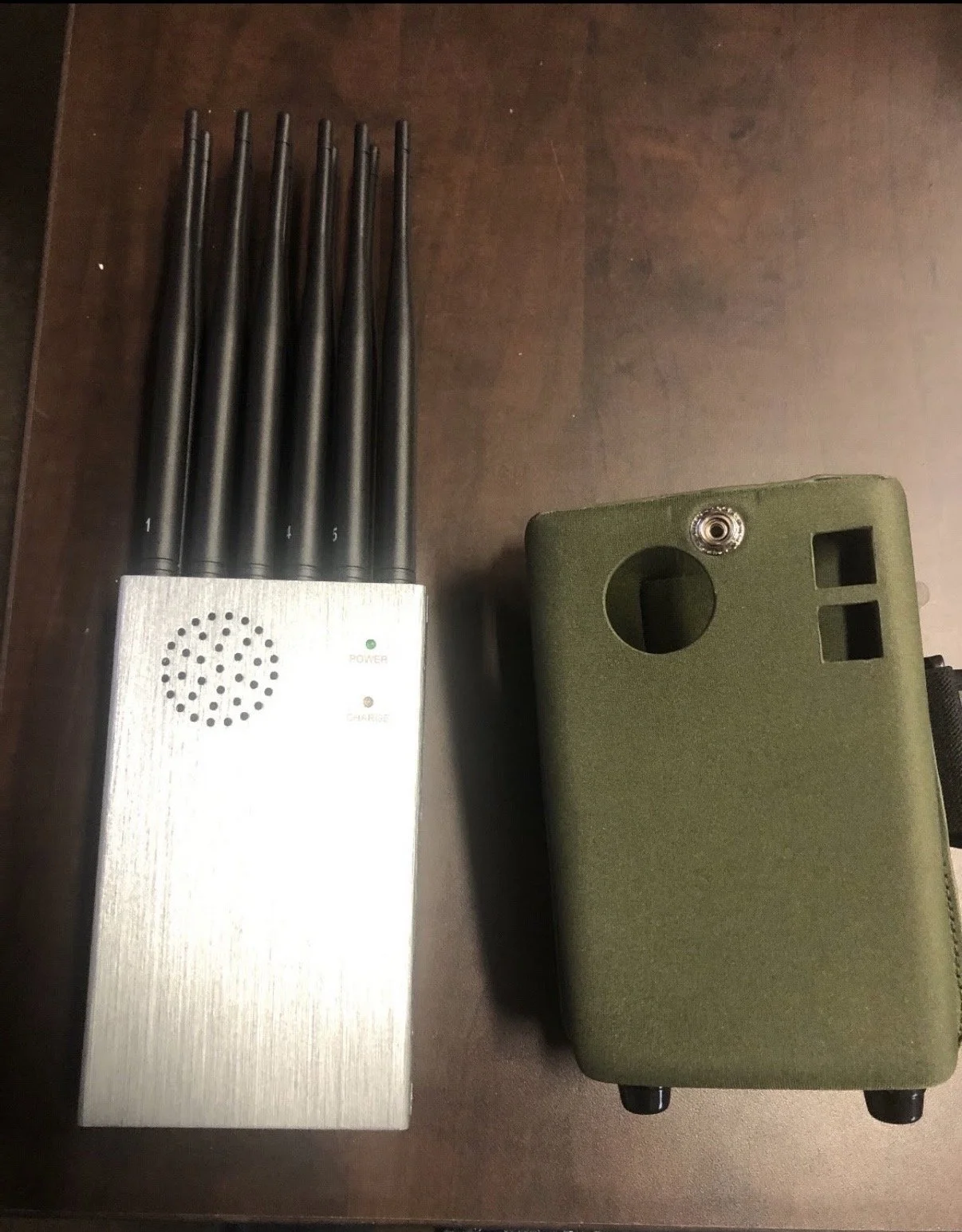
In one kidnapping investigation, Krewer obtained a search and seizure warrant on multiple locations connected to the suspects. During the execution of that warrant, Krewer recovered a signal jamming device pictured at the bottom of this article.
When the device was powered on, it immediately disrupted nearby radio signals. Police radios were unable to transmit, cellular phones lost service and switched to SOS mode, and wireless signals were effectively disabled.
These devices are frequently used by organized criminal crews during home invasions and kidnappings because they can disable multiple communication systems at once, including:
Cellular phones
Police radios
WiFi networks
Wireless security cameras
Where This Technology Came From
Signal jamming technology became widely known during the wars in Iraq and Afghanistan after 9/11. U.S. military vehicles were equipped with electronic countermeasure systems designed to block radio signals used to detonate improvised explosive devices (IEDs).
By jamming the signal between the trigger device and the explosive, the military could prevent roadside bombs from detonating as vehicles passed.
Unfortunately, similar technology has made its way into the hands of criminals.
Law enforcement agencies have also documented signal jamming devices being used by criminal organizations operating along the U.S. southern border. In some cases, these devices have been used to interfere with Border Patrol communications, preventing agents from quickly calling for backup or coordinating responses.
Today, smaller versions of these devices can be purchased online for less than $500.
Why This Is Dangerous for Homeowners
For a homeowner relying entirely on wireless security systems, this creates a serious vulnerability.
If an organized criminal crew conducts a home invasion while using a signal jammer:
WiFi security cameras may immediately stop working
Cellular phones inside the home may lose signal
Residents may be unable to call 911
According to a USA Today report, approximately 76% of Americans no longer have a landline telephone in their home. This means many households rely entirely on cellular phones for emergency communication.
If those signals are jammed, residents may have no way to contact emergency services.
Even responding police officers could experience communication difficulties if they enter the effective range of the jammer.
The Security Approach We Recommend
Because of this risk, our firm advises many of our clients to incorporate hard-wired security infrastructure as part of their overall protection strategy.
This includes:
Hard-wired CCTV camera systems rather than exclusively WiFi cameras
Landline telephones available for emergency communication
Professional monitoring systems that do not rely solely on wireless networks
Through our trusted technology partners, we also help clients implement advanced camera systems that utilize artificial intelligence for enhanced security capabilities.
These systems can:
Identify individuals appearing on camera
Determine whether that person has appeared on the property before
Search months of recorded footage in seconds
Integrate license plate recognition systems (LPR) when appropriate
In other words, homeowners should absolutely take advantage of modern AI-powered security technology.
But when it comes to the signal infrastructure, the safest approach is often yesterday’s technology.
A Simple Rule for Home Security
Invest in the newest AI capabilities available in modern security systems.
But when it comes to the connection itself, stay hard wired whenever possible.
Hard-wired phones and camera systems are far more resilient against the types of electronic interference devices that organized criminals are increasingly using.
Technology should make us safer, not create vulnerabilities that criminals can exploit.